
At Gem Support Services, we know our staff are the heart of what we do. This Staff Center is your go-to place for news, forms, and all the tools you need to succeed as a Support Provider in the IDD community. We’re here to support YOU, just like you support our families of Northeast Florida.
Key Staff Resources & Announcements
At Gem, we believe learning never stops. Soon you’ll have a one-stop Training & Certifications hub with on-demand courses, workshops, and certification prep to help you provide the best IDD care possible
CPR/First Aid Certification Courses
Medicaid Waiver Training Modules
Career Advancement Tracks
Your Path to Success

Time Sheet Submissions
Timesheet Submission Form: Fill out your weekly timesheet here.

Mileage Form
Mileage Submission Form: Use this form to submit a request of reimbursement of miles driven.

Time Request Off
Request Time Off: Use this form to request planned time off. Our scheduling team will review your request promptly.

Training & Certification Center
Coming Soon – exciting learning opportunities are on the way!
Local Events
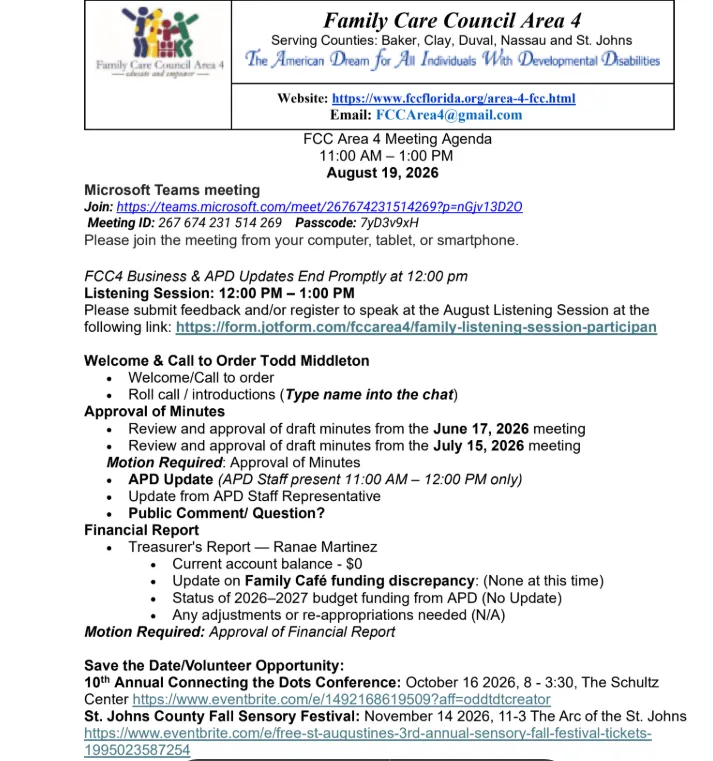

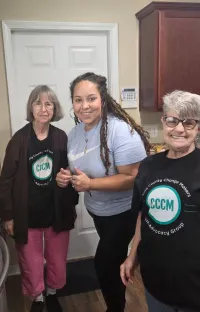
Clay County Change Makers
Join us for our monthly Clay County Change Makers meetings, held on the first Thursday and third Thursday of every month.
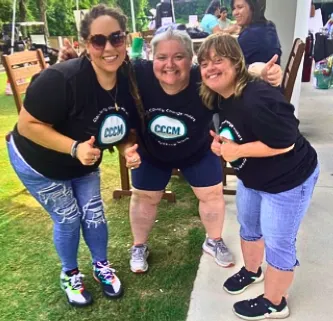
These gatherings bring together community leaders, advocates, and changemakers dedicated to improving the lives of individuals with intellectual and developmental disabilities and their families.
Connect with like-minded individuals, share resources, and collaborate on initiatives that create lasting positive impact in our community.
Spectrum Love Inc
A great way to support building relationships and connections. Click the link to see their list of events every month.

Our Latest Articles

Lessons from 5 Years of IDD Advocacy: What Actually Moves the Needle for Families
Lessons from 5 Years of IDD Advocacy: What Actually Moves the Needle for Families
GEM Support Services | Northeast Florida IDD Resource
Five years of walking alongside IDD families through Florida’s APD system has taught us lessons no training program covers. We’ve celebrated breakthrough moments and weathered devastating setbacks. We’ve watched families transform from overwhelmed survivors into confident advocates—and we’ve learned what actually makes the difference. These hard-won insights might save you years of trial and error.
Lesson 1: Relationships Matter More Than System Knowledge Alone
Understanding iBudget allocations, iConnect documentation, and APD regulations matters—but relationships matter more. The family who builds genuine rapport with their support coordinator, who treats direct care staff as valued partners rather than interchangeable workers, who connects with other IDD families for mutual support, consistently achieves better outcomes than the family who masters system mechanics while neglecting human connection.
This doesn’t mean accepting substandard service to preserve relationships. It means approaching every interaction—even difficult ones—with the recognition that you’re dealing with humans who respond to respect, appreciation, and collaborative problem-solving. The support coordinator who knows you as a reasonable partner will return your calls faster than one who dreads your number appearing.
Lesson 2: Documentation Is Your Superpower
We’ve said it before, but it bears repeating: families who track everything get better outcomes. Every phone call summarized in a follow-up email. Every concern documented with dates and specifics. Every service delivery verified against authorizations. Every behavioral change logged with context and detail.
This isn’t paranoia; it’s protection. When you request increased service hours and can present six months of documented evidence showing current hours are insufficient, you’re not making claims—you’re presenting facts. When a provider denies something was said, you have the email confirming otherwise. Documentation transforms “he said, she said” into accountable record.
Lesson 3: Community Connection Changes Everything
Isolation is the hidden crisis of IDD caregiving. Families become so consumed by daily care demands that they withdraw from friendships, skip social events, and lose connection to the broader community. This isolation harms everyone—caregivers burn out faster, and individuals with IDD lose opportunities for the community integration that supports their development.
The families who thrive prioritize connection despite the difficulty. They attend support groups even when exhausted. They accept help when offered. They insist on community activities for their loved ones even when staying home seems easier. And they discover that connection provides energy that isolation drains.
Lesson 4: Advocacy Is a Marathon, Not a Sprint
The families who burn out fastest are those who approach advocacy as an urgent crisis requiring immediate total victory. They fight every battle at maximum intensity, exhaust themselves within months, and eventually disengage entirely.
Sustainable advocacy requires pacing. Some battles are worth fighting fiercely; others are better addressed through patient relationship-building. Some goals are achievable this year; others require multi-year strategy. Learn to distinguish which response each situation requires. Save your fiercest energy for the moments that truly demand it. Celebrate incremental progress rather than dismissing anything short of complete transformation.
Applying These Lessons to Your Journey
These four lessons—relationships over mechanics, documentation as power, community as necessity, and marathon pacing—aren’t theoretical principles. They’re practical survival strategies refined through thousands of family interactions across Northeast Florida.
At GEM Support Services, we don’t just provide services; we advocate alongside families, model effective approaches, and share the wisdom we’ve accumulated. Because in this work, no one should have to learn everything the hard way.
Want a partner who’s learned these lessons already?
📞 Call or Text GEM Support Services: (904) 670-7411
📧 Email: [email protected]
🌐 Visit: gemsupportservices.org
Every individual deserves to shine—with advocates who know the path.
Our affiliate courses are designed by experts who have years of experience and proven results in the affiliate marketing industry.
Resources
© 2026 Gem Support Services. All rights reserved.